Showing posts with label melanoma. Show all posts

Tuesday, July 11, 2023

New study finds skin cancer is more deadly in black men, Washington Post story declares

Melanoma is more deadly in black men, who may get skin cancer in unexpected places such as nails and feet, a new study says.

According to a story today by Andrea Atkins in The Washington Post, the study of 105,000 cases show black men are "26 percent more likely to die of the disease" — despite the fact that melanoma is "far more common in white men."

It has long been known, not incidentally, that men have a higher risk of being diagnosed and succumbing to the disease than women do.

Dr. Ali Hendi
The Post story quotes Dr. Ali Hendi, a specialist in skin cancer surgery in Chevy Chase, Md., who didn't participate in the study, as saying, "I think [the findings are] significant. This study doesn't give us the answer as to why, but it sheds light on the numbers." 

Atkins' article notes that the study, published in the Journal of the American Academy of Dermatology, found that:

• "Among black men with melanoma, 48.6 percent at diagnosed at late stages of the disease, when it is harder to treat, compared with 21.1 percent among white men."

• "The data showed that 50.7 of black men with melanoma have it on their lower extremities. Fewer than 10 percent of white men with the disease have it on their lower extremities."

• "Melanoma in black men is often found in areas not typically exposed to the sun, such as the soles of the feet, toes, toenails, fingers, fingernail beds, and palms."

The Post piece also quotes Dr. Jeremy Brauer, clinical associate professor of dermatology at NYU Langone Health, who was not connected with the study, as saying that physicians are often trained to identify cancers on white skin and may not know how the disease shows up differently in different races. "This disproportionate and unfortunate rate of death means we have to try to be much more preventative," he said. 

More information about studies of diseases can be found in Rollercoaster: How a man can survive his partner's breast cancer, a VitalityPress book that I, Woody Weingarten, aimed at male caregivers.

Saturday, March 4, 2023

Skin lesion removed from Biden's chest was cancerous, doctor says; parallels his wife's

Joe Biden's White House doctor says a skin lesion removed from the president's chest was a basal cell carcinoma — a common form of skin cancer.

According to an Associated Press story this week by Zeke Miller, his doctor, Kevin O'Connor, added that no further treatment is required to the procedure that was done a month ago.

In January, Biden's wife, Jill, underwent a procedure to remove similar basal cell lesions from her chest and right eye.

No further danger is expected in either case because basal cell carinoma, a slow-growing cancer normally limited to the skin's surface, rarely becomes life-threatening or causes serious complications.

Both Bidens have long been advocates for fighting cancer, even before their son Beau succumbed to brain cancer in 2015.

Dr. O 'Connor
The Post story quotes O'Connor — Biden's doctor since he was vice president — as saying that "all cancerous tissue was successful removed" during a routine physical.

The doctor, Miller's article says, also declared Biden to be "healthy, vigorous" and "fit" to handle his presidential responsibilities.

O'Connor says the removal on Biden's chest already has "healed nicely" but the president, as a precaution, will continue regular skin screenings as part of his routine health plan.

The Post story says the doctor also reported that the president had "'several localized non-melanoma skin cancers' removed from his body before he started the presidency, noting it was well established that Biden spent a lot of time in the sun during his youth."

Miller's story explains that "basal cells are among the most common and easily treated forms of cancer — especially when caught early." They don't tend to spread like other cancers, "but could grow in size., which is why they are removed."

In an AP interview last week, according to the Post piece, Dr. Jill Biden reported that "she's now 'extra careful' about sunscreen, especially when she's at the beach."

More information about skin cancer, particularly melanomas, can be found in Rollercoaster: How a man can survive  his partner's breast cancer, a VitalityPress book that I, Woody Weingarten, aimed at male caregivers.

Wednesday, March 30, 2022

Depression and suicide rates jump for patients diagnosed with cancer, two new studies indicate

Two new studies have found cancer patients are at a higher risk for depression and suicide.

According to a story this week by Jessica Wapner in The New York Times, the "findings make a compelling case for oncologists to have more discussions with  their patients about mental health struggles."

A caption with the story notes that one of the studies found "suicide rates among people with cancer were notably higher in the United States than in Europe, Asia or Australia." 
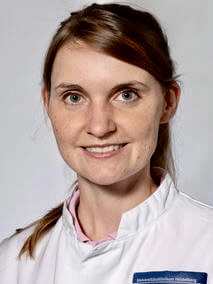
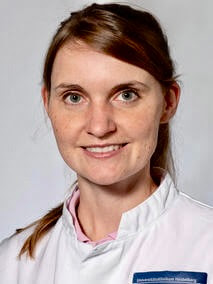
Dr. Corinna Seliger-Behme
The article quotes Dr. Corinnas Seliger-Behme, a neurologist at Heidelberg University in Germany, as saying, "Probably, we can prevent suicide if we talk about it, and if we really start that early."

Seliger-Behme and a colleague reviewed in their report "28 studies that included more than 22 million cancer patients across the world. Their analysis showed that the suicide rate as 85 percent higher for people than the general population."

Cancers with the worst prognoses, like stomach and pancreatic cancers, had the highest rates while the diseases with the best prognoses, including prostate, non-metastatic melanoma and testicular cancers, had the lowest.

The study's authors, according to the story, speculated that "the high cost of health care" in the U.S. might had led some patients "to forgo treatment to avoid bankrupting their families." The authors also wondered if easy access to firearms may have contributed to the higher suicide rates.

In the other new study, Alvina Lai, PhD, an associate professor at University College London, and a colleague examined health records of about 460,000 people in Britain with 26 different cancers. Five percent were diagnosed with depression, with the same number diagnosed with anxiety, after their diagnoses.

Alvina Lai, PhD

"Patients with brain tumors, prostate cancer, Hodgkin's lymphoma, testicular cancer and melanoma were most likely to hurt themselves," Wapner's piece reports.

Moreover, about 25% of the patients suffered from substance abuse — and psychiatric issues "tended to increase over time, even years after a diagnosis."

The biggest risk factor for developing a mental health condition, according to the story, was to those undergoing the triple-threat approach of surgery, radiation and chemotherapy. "The length, intensity and cumulative side effects… could explain why it triggers depression, anxiety and even personality disorders in many people," the article contends.

Chemotherapy on its own, it continues, is "also tied to high rates of psychiatric disorders, whereas 'kinase inhibitors' — targeted drugs that often have fewer side effects — had the lowest rates."

Dr. Lai wonders "whether patients are given enough opportunities to weigh the psychological risks of potential treatments," the story states. She's quoted as maintaining that "it would be useful for cancer patients who are newly diagnosed to see what the data tell us and make an informed decision."

Testicular cancer "carried a higher risk of depression than any other cancer type, affecting 98 of every 100 patients," according to her study, an unexpected result.  

Dr. Nathalie Moise, professor of medicine at Columbia University's Vegelos College of Physicians and Surgeons, suggests that while "current treatment guidelines suggest screening for depression as part of routine cancer care," these findings "may support the need to also screen for suicide and other risk factors."

More on the mental state of patients can be found in "Rollercoaster: How a man can survive his partner's breast cancer," a VitalityPress book that I, Woody Weingarten, aimed at male caregivers.

Saturday, March 19, 2022

Physician who had skin cancer himself gives several suggestions for preventing the disease

Despite the fact that most skin cancer is preventable, and usually curable if caught early, the cancer remains the most prevalent — with more cases diagnosed each year than all other cancers combined.

Dr. Gerald L. Saliman
That, at least, is the opinion of Dr. Gerald L. Saliman, an internist who retired from Kaiser San Francisco, where he was chief of patient education. 

In a recent column for a special Senior Life section of J. the Jewish News of Northern California, "Jerry" Saliman quotes dermatologist Dr. Jennifer C. Haley, associate professor at UCLA, to that effect — and emphasizes that risks are dependent on how much sun to which you've been exposed.

Saliman himself had a melanoma, and his wife "has had basal cell carcinoma and shamus cell carcinoma," his article reveals.

"Clouds block only 20% of UV radiation," he writes, "so it's important to wear sunscreen even if it's cloudy."

In addition, he suggests that everyone check their skin "regularly for odd spots or sores that do not seem to heal, particularly in areas that are exposed to the sun."

He notes that he "promptly went to see my doctor when I noticed a tiny, funny-looking skin lesion, and I am glad I did so."

Years after his surgery, he's still cancer-free.

His cancer, the article indicates, was on his left temple, "most likely…because I had frequent sunburns as a child, and our car's side windows did not protect me from UV radiation." 

Saliman's recommendations to prevent cancer of the skin, "the largest organ in the human body," include staying out of the sun from 10 a.m. to 4 p.m., "wear sun-protective clothing, including a wide-brimmed hat, long sleeves and long pants."

More about disease preventives can be found in "Rollercoaster: How a man can survive his partner's breast cancer," a VitalityPress book that I, Woody Weingarten, aimed at male caregivers.

Saturday, January 5, 2019

Link possible between obesity and cancer

Fat cells can fuel the growth and spread of skin cancer, new Sloan Kettering study finds


Is being fat a potential cause for a surge in cancer?

Possibly.

At least if you believe a story by Matthew Tontonoz a while back on the Memorial Sloan Kettering Cancer Center website.

It says, in short, that cancer cells eat fat to grow and spread.

It cites discoveries at the Sloan Kettering Institute that "melanoma cells in zebrafish use fat from nearby fat cells to fuel their growth and spread," and indicates that a new study finds fat cells, or adipocytes, are filled with fats called lipids that can fuel cancer's aggressiveness.

In humans as well as fish.


Dr. Richard White
The story, sent me by my high school classmate Philip Greenhut, focuses on the words of Richard White, a doctor-scientist in SKI's Cancer Biology and Genetics Program:

"This is the seed-and-soil hypothesis. Tumor cells like to go to places where there is fertile soil. Based on the results of our study, we think that adipose tissue can be very fertile soil for melanoma."

The story notes that "knowing that adipose tissue enables some cancer cells to grow and spread suggests that cutting off their fat supply could be a way to fight the disease."

The findings, it contends, "also add to the growing understanding of the link between obesity and cancer."

White and his colleagues "stumbled onto the connection," Tontonoz's article claims, after using "zebrafish as a model system for studying skin cancer" because those "small freshwater fish get melanomas that are very similar to human melanomas" and because it's easy to see where the fish's cancer cells go as tumors progress since the creatures are transparent.

Ultimately, of course, the researchers examined the connection in human beings by looking at tumor samples from people with melanoma who were treated at Memorial Sloan Kettering.

Details of the findings were published in the journal "Cancer Discovery."

Details about other research can be found in "Rollercoaster: How a man can survive his partner's breast cancer," a VitalityPress book that I, Woody Weingarten, aimed at male caregivers.
Thursday, October 4, 2018

'Fundamental change' in treating tumor cells

Nobel Prize goes to American, Japanese working separately on cancer immunotherapies


Two researchers who worked on game-changing therapies that unleash brakes against cancer have won 2018's Nobel Prize for medicine.
James P. Allison (left) and Tasuko Honjo
The pair — Dr. James P. Allison of the MC Anderson Cancer Center in Houston and Dr. Tasuko Honjo of Kyoto University in Japan — found "checkpoint inhibitor" therapies that "greatly increased survival of cancer patients and may produce even greater results when combined with traditional therapies," according to an online story this week by Tina Hesman Saey in ScienceNews, the nonprofit magazine of the Society for Science & the Public.

The article indicates that "all previous types of cancer therapy were directed at the tumor cell, but Allison's and Honjo's approach was to remove brakes that keep the immune system in check."

The two, who were working separately, will equally share the prize of just over $1 million.

An earlier piece by Saey and Aimee Cunningham in ScienceNews noted that they had identified proteins that act as brakes on tumor-fighting T cells.

A Reuters story said the "scientists' work in the 1990s has since swiftly led to new and dramatically improved therapies for cancers such as melanoma and lung cancer, which had previously been extremely difficult to treat."

Treatments known as immune checkpoint blockade that resulted from their work, the piece added, "'have fundamentally changed the outcome' for some advanced cancer patients," the Nobel institute said."

The discoveries consequently spawned a multi-billion dollar market for new cancer medicines.

Reuters quoted a professor at the Institute of Cancer Research in London, Kevin Harrington, as contending the two scientists' work had revolutionized cancer treatment:

"We've gone from being in a situation where patients were effectively untreatable to having a range of therapy options that, when they work, work very well indeed," he said in a statement. "For some patients we see their tumors shrink or completely disappear and are effectively cured."

More information on research can be found in "Rollercoaster: How a man can survive his partner's breast cancer," a VitalityPress book I, Woody Weingarten, aimed at male caregivers.

Tuesday, July 19, 2016

DNA mutations plus sun damage equals trouble

Genes linked to red hair and pale skin increase your risk of melanoma, a new study says


News reports, I've found, sometimes merely confirm what conventional and folk wisdom have known forever.

Case in point — the recent UPI story (based on one in HealthDay News) that carried the headline "Genes tied to red hair, pale skin greatly raise melanoma risk."

I could have told you that. 

Because I've been living for a long time with a woman with red hair and pale skin and freckles.
Nancy Fox — and her long red hair.

My wife, Nancy Fox, successfully had a melanoma on her arm removed — after she'd conquered breast cancer. And neither of us can count how many pre-cancerous growths she's had dermatologists cut out, burn off or otherwise remove.

But what I hadn't realize was that, at least according to the story, having the troublesome gene mutation — known as MC1R— "is roughly equivalent to the person spending an extra 21 years in the sun."

The British study, which examined more than 400 people and whose findings were published in Nature Communications, determined that "there were 42 percent more mutations linked to sun damage in the tumors of those carrying the red hair gene variant than in those without that DNA."

It showed, moreover, that "skin cancer isn't just about being more vulnerable to the sun's harmful UV rays. Carrying the MC1R gene variant raises the number of mutations triggered by sun exposure, the researchers explained, but it also raises the level of non-sun-linked mutations within tumors."

I, not incidentally, based my VitalityPress book, "Rollercoaster: How a man can survive his partner's breast cancer," which is aimed at male caregivers, on my wife's courage in battling her cancers. 

Unfortunately, what she's still faced with — constantly — is having doctors take off pre-cancerous growths from her face, arms and other body parts. All because she has red hair and pale skin and didn't protect herself from the sun when she was young.

Tuesday, March 1, 2016

Melanoma mistaken for pulled shoulder muscle

Young Liverpool woman's death proves that not testing for a cancer can be a fatal decision


Clare Daly
I've long advocated advance testing for the purpose of detecting cancer early.

For good reason.

I still believe all women over 40 should get mammograms regularly — despite the insurance and cancer industries pushing to delay most tests until 50.

Had my wife not had them regularly, and not been doing self-exams as well, she'd most likely have been dead from the breast cancer she contracted.

I still routinely get PSA tests, despite their now being pooh-poohed by most medical folks.

Had I not had such tests with regularity, I'd most likely been dead from the prostate cancer I contracted.

A Liverpool Echo story repeated by other publications many times this week tended to underscore my feelings.

It told of a 29-year-old British woman, Clare Daly, a fair-skinned blonde who died in December, three months after being diagnosed with a malignant melanoma, an aggressive skin cancer.

She'd had chronic shoulder pain but believed it was just a pulled muscle.

So she hadn't checked out any possibility of cancer, and settled for physical therapy.

A story by Dana Dovey in yesterday's Medical Daily, one of multiple online and print sites that reiterated the Echo tale, quoted the Skin Cancer Foundation to the effect that "a melanoma is the most dangerous form of skin cancer, and grows when unprepared DNA damage to skin cells, most often caused by the sun or tanning beds, triggers mutations that cause skin cells to multiply rapidly."

Doctors eventually linked Daly's melanoma to a mole she'd had removed years earlier.

Moles are usually harmless.

When Daly's cancer finally was diagnosed, she began aggressive treatment with a therapy not covered by health insurance.

But it was too late.

After her death, her family and friends, who'd previously pitched in to cover her medical costs, began a nonprofit foundation to raise melanoma awareness.

Because it made the story more sensational, Daly was described in many reports as a newlywed. She'd actually been married to her partner of five years in July 2014.

Details of my journey with my wife's breast cancer, and my own with prostate cancer, can be found in "Rollercoaster: How a man can survive his partner's breast cancer," the book I, Woody Weingarten, wrote to help male caregivers.

Friday, April 10, 2015

Writer's letter emphasizes thriving after cancer

'Rollercoaster' author — in letter to editor — stresses life, not death, overcoming fear


Despite many substantial advances in treatments and meds, cancer still can be devastating for patients and caregivers — because of fear.

Sensationalized scare tactics from the media don't help one iota.

And that's why I, Woody Weingarten, author of "Rollercoaster: How a man can survive his partner's breast cancer," which is aimed at a patients as well as caregivers, recently wrote a letter to the editor of the Marin Independent Journal, the only daily newspaper in my home county.

The letter, which I hoped might help quash some cancer fears, was published this week.

Here it is, in its entirety:


TV special on cancer 
misses focus on living

Why does cancer, the subject of the recent three-part Ken Burns executive-produced PBS series, like so many other documentaries and media reports on the subject, focus on death and not life? Why are primary caregivers — especially males — forgotten or treated as if they're invisible?

My new book, "Rollercoaster: How a man can survive his partner's breast cancer," shows there can be light at the end of the proverbial tunnel.

For both caregivers and patients.

Why am I sure? My wife had breast cancer 20 years ago, then a melanoma 11 years later. I had prostate cancer eight years ago.

Not only did we survive, we’re thriving in our mid-70s.

And I’ve been running Marin Man to Man, a men’s support group, for almost two decades. I believe every attendee would agree we all should live out a cliché: one day at a time.

How? As the old song suggests, by accentuating the positive and eliminating the negative.