Showing posts with label pancreatic cancer. Show all posts

Saturday, June 13, 2026

Promising pancreatic cancer pill can be taken while it's under regulatory review, FDA says

The Federal Drug Administration (FDA) has expanded access to a promising new drug for pancreatic cancer.

According to a recent story in The Washington Post by Christopher Rowland, "more patients will be able to take the pill while it is under regulatory review. The agency said it recognizes the dire need for a drug to fight one of the most lethal cancers."

The experimental drug was approved two days after the FDA received an access application from the drug's manufacturer, Revolution Medicines.

Dr. Marty Makary
The ultra-quick approval of daraxonrasib "reflects the FDA's strong commitment to facilitate early access to therapies for serious and life-threatening conditions, including pancreatic cancer," the story quotes former FDA Commissioner Marty Makary as saying. 

In trials, the drug "has doubled average survival time for pancreatic cancer patients who have already received conventional treatment," the article continues. "The expanded access program, also known as 'compassionate use,' will be limited to that set of patients as well."

Makary's piece also indicates that the "company said it will provide the drug at no cost to patients in the program. Insurance typically does not cover expanded access drugs before they have been approved."

In one clinical trial, "patients had a median survival of 13.2 months compared with 6.7 months for those people receiving chemotherapy," the story adds.

More information on clinical trials can be found in Rollercoaster: How a man can survive his partner's breast cancer, aVitalityPress book that I, Woody Weingarten aimed at male caregivers. My other books are MysteryDates — How to keep the sizzle in your relationship; The Roving I, a compilation of 70 of my newspaper columns; and Grampy and His Fairyzona Playmates, a whimsical fantasy intended for 6- to 10-year-olds that I co-authored with my then 8-year-old granddaughter. Check out my website at https://woodyweingarten.com for details.


Friday, April 24, 2026

Two pancreatic cancer treatments show promise in clinical trials, New York Times maintains

Two experimental drugs are bringing hope to patients with deadly pancreatic cancer.

According to a recent story by Gina Kolata and Rebecca Robbins in The New York Times, clinical trials show promise for daraxonrasib and a personalized vaccine that employs mRNA technology, best known for its use in Covid-19 vaccines.


Researchers presented data supporting this conclusion at a San Diego cancer conference, but neither drug has yet been approved for use. Nor has the data “been published in a medical journal or reviewed by regulators,” the article reveals.


Pancreatic cancer kills more than 50,000 Americans each year. “Many patients die within a year of diagnosis, and only 13% of people live for five years after being diagnosed,” the piece says.

Dr. Robert Vonderheide
 Kolata and Robbins quote Dr. Robert Vonderheide, director of the Abramson Cancer Center of the University of Pennsylvania, as saying “the statistic that caught everyone’s eye was a doubling of overall survival…To see that effect with a side-effect profile that is manageable unleashed a lot of excitement  in the field.”


Vonderheide wasn’t involved in the new research but is president-elect of the American Association for Cancer Research, the group of oncologists and scientists that hosted the California meeting.


Initial findings of the clinical trials were that daraxonrasib gave patients “over 13 months, compared to less than seven months for those who received chemotherapy.”


Pancreatic cancer, the story notes, “is different from many other cancers,” Kolata and Robbins maintain. “It is often caught very late, when the disease has already spread widely, because it often presents no early symptoms.…And treatment approaches like immunotherapy that have transformed the outlook for other cancers have not worked for that of the pancreas.”


More information on clinical trials and new drugs can be found in Rollercoaster: How a man can survive his partner's breast cancer, a VitalityPress book that I, Woody Weingarten aimed at male caregivers. My other books are MysteryDates — How to keep the sizzle in your relationship; The Roving I, a compilation of 70 of my newspaper columns; and Grampy and His Fairyzona Playmates, a whimsical fantasy intended for 6- to 10-year-olds that I co-authored with my then 8-year-old granddaughter. Check out my website at https://woodyweingarten.com for details.


Friday, July 12, 2024

Because of uptick in cancers following pandemic, physicians are now asking if covid is to blame

A rise in cancers after the pandemic has been causing doctors to study whether Covid-19 is at fault.

A story by Ariana Eunjung Cha in editions of The Washington Post recently indicated that the "uptick in aggressive, late-stage cancers since the dawn of the pandemic is confirmed by some early national data and a number of large cancer institutions."

The article goes on to say that although "the idea that some viruses can cause or accelerate cancer is hardly new, [since] scientists have recognized this possibility since the 1960s, today researchers estimate 15 to 20 percent of all cancers worldwide originate from infections agents such as HPV, Epstein-Barr, and hepatitis B."

It will "probably be many years before the world has conclusive answers whether the coronavirus is complicit in the surge of cancer cases," Cha's story continues, but "concerned scientists are calling on the U.S. government to make this question a priority knowing it could affect treatment and management of millions of cancer patients for decades to come."

Douglas Wallace
The story quotes Douglas C. Wallace, a University of Pennsylvania PhD geneticist and evolutionary biologist, to the effect that "we are completely under-investigating this virus. The effects of repeatedly getting this throughout our lives is going to be much more significant than people are thinking."

Cha's piece also quotes David Tuveson, director of the Cancer Center at Cold Spring Harbor Laboratory and ex-president of the American Association for Cancer Research, as saying that "a number of small and early studies — many of which have been published within the past nine months — suggests that coronavirus infection can induce an inflammatory cascade and other responses that, in theory, could exacerbate the growth of cancer cells."

Covid "wrecks the body, and that's where cancers can start," he said, "explaining how autopsy studies of people who died of covid-19 showed prematurely aged tissue."

The story notes further that a paper "published in 2023 in the journal Biochimie explored mechanisms the coronavirus could exploit to aggravate several forms of cancer, including lung, colorectal, pancreatic, and oral."

Information about cancer not being monolithic can be found in Rollercoaster: How a man can survive his partner's breast cancer, a VitalityPress book that I, Woody Weingarten, aimed at caregivers.

Tuesday, April 16, 2024

Patients already using new experimental blood tests to detect cancer, Washington Post reports

Some patients may be using blood tests to detect cancer that haven't been cleared by the FDA.

A story by Marlene Simons in today's editions of The Washington Post reports that Galleri, a new multi-cancer detection test, is but one of 20 tests in various stages of development that analyze substances in the blood that might indicate cancer. 

Those tests, the article says, "may be especially useful finding 'silent' cancers — such as pancreatic or ovarian cancer — which often don't cause symptoms until the disease is advanced and more difficult to treat."

On the flip side, Simons' piece indicates, "while these findings are promising, experts warned of drawbacks. So far, there's no evidence that finding cancer via a blood test translates to longer survival and fewer deaths, or even a cure, experts said."

Dr. Lori Minasian
The WashPost story also quotes Dr. Lori Minasian, deputy director of the National Cancer Institute's division of cancer prevention, as warning that "people want to believe there is one test that can pick up all the different kinds of cancers, and if it's negative, they can go on their way. But it's not that simple.

Several experts, the piece continues, "pointed out that multi-cancer detection tests don't find every cancer at its earliest stage, in part because certain cancers spread quickly."

These tests, which aren't covered by Medicare or other insurance, have yet to be cleared by the Food and Drug Administration for final approval — but are available as "lab-based" tests under federal guidelines that "permit their use in certain settings."

Caveats include many unanswered questions, the story says, "such as whether use of the tests should be based on age, risk factors, or family history." Along with the notion of how frequently people should take the blood tests, the remaining issues make it almost certain that they "probably are several years away from widespread use."

More information on research into various diseases can be found in Rollercoaster: How a man can survive his partner's breast cancer, a VitalityPress book that I, Woody Weingarten, aimed at male caregivers.

Friday, December 29, 2023

Small clinical trial shows promise in pancreatic cancer vaccine, story in New York Times reports

Using a vaccine aimed at each patient's tumor may have delayed the return of pancreatic cancer in half of those who received it in a small clinical trial.

According to a story by Benjamin Mueller in editions of The New York Times from a while ago that I just came acrossa study in Nature, "was a landmark in the…movement to make cancer vaccines tailored to the tumors of individual patients."

Dr. Anirban Maitra
Dr. Anirban Maitra, specialist in the disease at the University of Texas MD Anderson Cancer Center, who was not involved in the study, is quoted as saying, "This is the first demonstrable success — and I will call it a success despite the preliminary nature of the study — of an mRNA vaccine in pancreatic cancer. By that standard, it's a milestone."

The study only dealt with 16 White patients who were given the vaccine as part of a treatment that also "included chemotherapy and a drug intended to keep tumors from evading people's immune responses," Mueller's story indicated.

Five years ago, when researchers at Memorial Sloan Kettering Center in New York extracted tumors and shipped samples of them to Germany, the study started. In that country, scientists at BioNTech, the company that made a Covid vaccine with Pfizer, analyzed the genetic makeup of certain proteins on the surface of the cancer cells. BioNTech scientists then produced personalized vaccines "designed to teach each patient's immune system to attack the tumors," the Times story reported.

The piece also quoted Dr. Ira Mellman, vice president of cancer immunology at Genentech, which developed the pancreatic cancer vaccine with BioNTech, as saying, "Just establishing the proof of concept that vaccines in cancer can actually do something after, I don't know, 30 years of failure is probably not a bad thing. We'll start with that."

More information about medical research can be found in Rollercoaster: How a man can survive his partner's breast cancer, a VitalityPress book that I, Woody Weingarten, aimed at male caregivers. 

Monday, July 3, 2023

Next big advance may be new cancer vaccines that could treat cancers in a variety of organs

Research may be turning a corner, with many scientists predicting new cancer vaccines that would work within five years on breast, lung, ovarian, skin, and pancreatic cancers.

According to a recent Associated Press story by Carla K. Johnson, "these aren't traditional vaccines that prevent disease, but shots to shrink tumors and stop cancer from coming back." 

Dr. James L. Gulley
The article quotes Dr. James L. Gulley, who helps lead the Center for Cancer Research at the National Cancer Institute that developed immune therapies, including cancer treatment vaccines. He says, "We're getting something to work. Now we need to get it to work better."

Cancer vaccines, like other immunotherapies, boost the immune system to find and kill cancer cells. For a vaccine to work, the piece quotes Dr. Nora Disis of UW Medicine's Cancer Vaccine Institute in Seattle as saying, it needs to teach the immune system's T cells to recognize cancer as dangerous. "If you saw an activated T cell, it almost has feet. You can see it crawling through a blood vessel to get out into the tissues," she said.

Dr. Steve Lipkin, a medical geneticist at New York's Weill Cornell Medicine, also is quoted: "Vaccines are probably the next big thing. We're dedicating our lives to that."

More information about vaccines can be found in Rollercoaster: How a man can survive his partner's breast cancer, a VitalityPress book that I, Woody Weingarten, aimed at male caregivers.

Tuesday, October 11, 2022

Docs hopeful about developing cancer vaccines despite some giving up on them a decade ago

Physicians have begun to feel optimistic about developing immunizations against pancreatic, colon, and breast cancers. 

According to an article by Gina Kolata in today's editions of The New York Times, that report comes from early research with animals despite many doctors having given up a decade ago on the notion of finding cancer vaccines.

Dr. Sachet Shukla
The story quotes Dr. Sachet A. Shukla, who directs a cancer vaccine program at MC Anderson Cancer Center, as saying "cancer vaccines are an idea whose time has come…There is no reason why [they] would not work if given at the earliest stage."

Dr. Susan Domchek, principal investigator of a breast cancer vaccine study at the University of Pennsylvania, foresees "a time when anyone with a pre-cancerous condition or a genetic predisposition to cancer could be vaccinated and protected," the piece continues.

"People would have said this is insane," she's quoted as saying. Now, "it's super-aspirational, but you've got to think big."

Kolata's story asserts that "the search for cancer vaccines started with Olivera Finn, PhD, a distinguished professor in the departments of immunology and surgery at University of Pittsburgh School of Medicine" in 1993. She began with a trial of 63 patients with Stage 4 cancer. It quickly became clear, however, "that the cancers were too far advanced for immunizations to work."

Olivera Finn, PhD

After all, Finn notes, with the exception of rabies, no one vaccinates against an infectious disease in people who are already infected."

Now, she and a colleague at Pittsburgh, Dr. Robert Schoen, a gastroenterologist, are trying to prevent pre-cancerous colon polyps with a vaccine that worked in mice.

More information about research on diseases can be found in "Rollercoaster: How a man can survive his partner's breast cancer," a VitalityPress book that I, Woody Weingarten, aimed at male caregivers.

Wednesday, March 30, 2022

Depression and suicide rates jump for patients diagnosed with cancer, two new studies indicate

Two new studies have found cancer patients are at a higher risk for depression and suicide.

According to a story this week by Jessica Wapner in The New York Times, the "findings make a compelling case for oncologists to have more discussions with  their patients about mental health struggles."

A caption with the story notes that one of the studies found "suicide rates among people with cancer were notably higher in the United States than in Europe, Asia or Australia." 
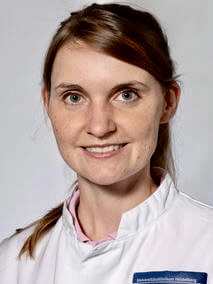
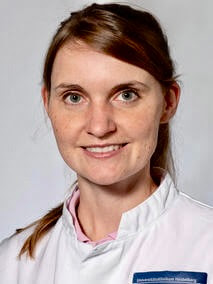
Dr. Corinna Seliger-Behme
The article quotes Dr. Corinnas Seliger-Behme, a neurologist at Heidelberg University in Germany, as saying, "Probably, we can prevent suicide if we talk about it, and if we really start that early."

Seliger-Behme and a colleague reviewed in their report "28 studies that included more than 22 million cancer patients across the world. Their analysis showed that the suicide rate as 85 percent higher for people than the general population."

Cancers with the worst prognoses, like stomach and pancreatic cancers, had the highest rates while the diseases with the best prognoses, including prostate, non-metastatic melanoma and testicular cancers, had the lowest.

The study's authors, according to the story, speculated that "the high cost of health care" in the U.S. might had led some patients "to forgo treatment to avoid bankrupting their families." The authors also wondered if easy access to firearms may have contributed to the higher suicide rates.

In the other new study, Alvina Lai, PhD, an associate professor at University College London, and a colleague examined health records of about 460,000 people in Britain with 26 different cancers. Five percent were diagnosed with depression, with the same number diagnosed with anxiety, after their diagnoses.

Alvina Lai, PhD

"Patients with brain tumors, prostate cancer, Hodgkin's lymphoma, testicular cancer and melanoma were most likely to hurt themselves," Wapner's piece reports.

Moreover, about 25% of the patients suffered from substance abuse — and psychiatric issues "tended to increase over time, even years after a diagnosis."

The biggest risk factor for developing a mental health condition, according to the story, was to those undergoing the triple-threat approach of surgery, radiation and chemotherapy. "The length, intensity and cumulative side effects… could explain why it triggers depression, anxiety and even personality disorders in many people," the article contends.

Chemotherapy on its own, it continues, is "also tied to high rates of psychiatric disorders, whereas 'kinase inhibitors' — targeted drugs that often have fewer side effects — had the lowest rates."

Dr. Lai wonders "whether patients are given enough opportunities to weigh the psychological risks of potential treatments," the story states. She's quoted as maintaining that "it would be useful for cancer patients who are newly diagnosed to see what the data tell us and make an informed decision."

Testicular cancer "carried a higher risk of depression than any other cancer type, affecting 98 of every 100 patients," according to her study, an unexpected result.  

Dr. Nathalie Moise, professor of medicine at Columbia University's Vegelos College of Physicians and Surgeons, suggests that while "current treatment guidelines suggest screening for depression as part of routine cancer care," these findings "may support the need to also screen for suicide and other risk factors."

More on the mental state of patients can be found in "Rollercoaster: How a man can survive his partner's breast cancer," a VitalityPress book that I, Woody Weingarten, aimed at male caregivers.

Friday, November 19, 2021

Unnoticed breast cancer gene found to be almost as perilous as better known ones such as BRCA

Mutations of PALB2 can raise a woman's risk of breast cancer nearly as much as better known mutations like BRCA. 

According to a recent story by Susan Berger in The New York Times, doctors "are increasingly recomending that anyone who was tested before 2014 go through genetic testing again" — to look for the PALB2 gene, which also raises a patient"s chances of contracting ovarian and pancreatic cancer.
Dr. Peter Hulick

The Times article quotes Dr. Peter Hulick, medical director of the Mark R. Neaman Center for Personalized Medicine at NorthShore University HealthSystem in Evanston, Ill., as saying that "raising awareness with physicians and patients is critical, otherwise patients are getting an incomplete genetic assessment." 

Earlier this year, the American College of Medical Genetics and Gonomics advised that "women with PALB2 mutations be surveilled similarly to patients with BRCA mutations, and that, depending on family history, mastectomies could be an option to reduce the risk in some patients," Berger's piece reports. 

The Times article further notes that guidelines from the National Comprehensive Cancert Network, as well as the genetics organization,"suggest women with the PALB2 mutation should have breast MRIs and mammograms, alternating every six months." The guidance was based on peer-reviewed evidence by a global team of experts in cancer genetics.

Hulick also said, according to the story, that "the risk of developing breast cancer was 40 to 60 percent greater among women with the PALB2 mutation, similar to the risk from BRCA." 

More informatiom about the BRCA1 and BRCA2 mutations can be found in "Rollercoaster: How a man can survive his partner's breast cancer," VitalityPress book that I, Woody Weingarten, aimed at male caregivers.

Wednesday, October 2, 2019

Medical risks expanding along with waistlines

Cancer dangers from obesity are growing exponentially, article in The Washington Post indicates


Obesity may overtake smoking as the No. 1 preventable cause of cancer.

According to a story by Laurie McKinley in The Washington Post a while back, the change is due to waistlines continuing "to expand while tobacco use plummets."

McKinley notes that Dr. Otis Brawley, ex-American Cancer Society (ACS) chief medical officer who's now a Johns Hopkins oncologist, says the switch may take five to 10 years.
Dr. Jennifer Ligibel
What's happening, she quotes Dr. Jennifer Ligibel, a breast oncologist at the Dana-Farber Cancer Institute, as saying, is that "a complex interplay of metabolism, inflammation and immunity…creates an environment that is more permissive for cancer."

The Post also quotes Dr. Jonathan Wright, a urologist at Fred Hutchinson Cancer Research, to the effect that "it does appear that the risk is greater the more obese you are."

Only about half the American public purportedly is aware of the link between excess weight and cancer. 

The deadly combo has long been known to increase the risk of heart disease and diabetes — and now is being associated, according to the Post, "with an increased risk of getting at least 13 types of cancer, including stomach, pancreatic, colorectal and liver malignancies, as well as postmenopausal breast cancer."

ACS researchers contend that "excess body weight is linked to about 8 percent of all cancers in the United States and about 7 percent of cancer deaths," McKinley reports.

She also writes that "compared with people of normal weight, obese patients are more likely to see their cancer come back and have a lower likelihood of survival. Perhaps more alarming, young people, who as a group are heavier than their parents, are developing weight-related malignancies, including colorectal cancer, at earlier ages than previous generations, experts say."

An article in JAMA Internal Medicine (the journal of the American Medical Association) several years ago maintained that "seven in 10 Americans are overweight or obese." But the obesity rate has been rising exponentially since that piece was published.

The type of cancer most associated with obesity, McKinley writes, "is endometrial, which develops in the lining of the uterus. Obese and overweight women are two to four times as likely to develop the disease as women of normal weight, and the risk rises with increased weight gain, according to the National Institutes of Health."

Statistics from that source also indicate that "people who are overweight or obese are twice as likely to develop liver and kidney cancer, and about 1.5 times as likely to develop pancreatic cancer than normal-weight people, according to NIH."

Several researchers, McKinley says, "are running clinical trials to prove what many already believe — that losing weight reduces the odds of developing cancer or having a recurrence." 

If studies show that to be true, she adds, "doctors could prescribe a weight-loss program as standard therapy for breast cancer patients — much as cardiac rehabilitation is urged for heart-attack patients. That could pave the way for insurance coverage."

More details on health risks can be found in "Rollercoaster: How a man can survive his partner's breast cancer," a VitalityPress book that I, Woody Weingarten, aimed at male caregivers.

Monday, September 10, 2018

New insights, treatments, tests in disease 'war'

Medical community is starting to believe less is more when it comes to cancer treatments 


More and more doctors and patients apparently are using less aggressive weapons to fight cancer these days.

Dr. Justin Bekelman
A story by Laurie McKinley in yesterday's Washington Post quotes Dr. Justin Bekelman, a radiation oncologist at the University of Pennsylvania, about the medical community's focus on the "war on cancer."

Historically, he says, that phrase "implied that more is better and decimation is desired."


McKinley's story contends, however, that the idea is "falling out of favor," not only because it "subtly blames patients" who die "but also because it doesn't capture a world of new biological insights, improved treatments and molecular tests that are transforming how cancer is treated."


According to Bekelman, "Knowing when not to treat" can be "great medicine" — because, the story charges, oncologists equipped with new tools and evidence can cut back on toxic and costly approaches likely do more harm than good.

Cancer, nevertheless, is not monolithic, the story indicates.

Rather, some cancers "need to be bludgeoned, but others can be treated with more tailored therapies or simply watched."

Although the latest mindset of "doing less in the face of danger" can be "emotionally difficult" for both patients and physicians, the article notes, proof that less is more has been frequently popping up lately, including a landmark clinical trial published in June that found more than "two-thirds of women with early-stage breast cancer can safely avoid chemotherapy." 

Not to mention the fact, according to the piece, that "men with early-stage, low-risk prostate cancer are rapidly embracing 'active surveillance' over surgery — and avoiding possible complications such as incontinence and sexual dysfunction," and that throat cancer caused by human papilloma virus, because it varies from other types of the disease, allows a cutback "in a brutal treatment regimen and [reduces] the risk of potentially devastating disfigurement."


The Post story also mentions the emergence of immunotherapy, usually less toxic than chemo, "as a first-line treatment for many patients," and cites a recent study showing that "people with advanced kidney cancer can skip surgery to have their kidneys removed and instead go right to drug treatment."


De-escalation isn't happening universally, however. 


McKinley contends that the "most common form of thyroid cancer, which poses little risk, is often still treated with unnecessary surgery, experts say. And some malignancies, such as pancreatic cancer, are so lethal that doctors are racing to find ways to ramp up treatment."


Details on trends and clinical trials in treatment can be found in "Rollercoaster: How a man can survive his partner's breast cancer," a VitalityPress book that I, Woody Weingarten, aimed at male caregivers.

Saturday, July 29, 2017

'Transformative" treatments deemed possible

Race underway to create gene therapies for breast, prostate, ovary, lung, pancreas cancers


Pharmaceutical companies and universities are in a race to develop "utterly transformative" gene therapies, according to a recent article by Denise Grady in The New York Times.

The story says "one of the big goals now is to get them to work for many [cancers other than leukemia, for which approval is expected soon], including those of the breast, prostate, ovary, lung and pancreas."

The radically new class of treatments, it also says, may "re-engineer and turbocharge millions of patient's own immune cells, turning them into cancer killers that researchers call a 'living drug.'"


Dr. Stephan Grupp
The Times piece contends that the new leukemia drug, called CAR-T therapy, "has been utterly transformative in blood cancers," according to Dr. Stephan Grupp, director of the cancer immunotherapy program at the Children's Hospital of Philadelphia, a professor of pediatrics at the University of Pennsylvania, "and a leader of major studies."

Although Grupp cautions that it will take at least five years to make an accurate determination, he maintains that if the treatment "can start to work in solid tumors, it will be utterly transformative for the whole field."

The treatment apparently is also being studied in conjunction with "glioblastoma, the aggressive brain tumor that Sen. John McCain was found to have."

Grupp says one particularly encouraging potential avenue of research with children involves earlier stages of disease "instead of very late, as rules now require," the Times story indicates. 

Earlier treatment, it reports him as believing, "might help some patients avoid bone-marrow transplant, a grueling, last-ditch treatment. Children with less advanced disease also tend to have milder side effects."

Other studies are underway to combine the new therapy "with immunotherapy drugs called checkpoint inhibitors, which help unleash the cancer killing power of T-cells" — which the story describes as the white blood cells "often referred to as the soldiers of the immune system."

One of the big problems with the new treatment — which "involves removing millions of…T cells…from the patient's bloodstream, genetically engineering them to recognize and kill cancer, multiplying them and then infusing them back into the patient" — is its cost factor.

The process, the story explains, is very expensive (at least $300,000 per treatment, other articles have said)  "because each treatment has to be made separately for each person."

The treatment was developed at the University of Pennsylvania and licensed to Novartis.

More information about cancer research and clinical trials can be found in "Rollercoaster: How a man can survive his partner's breast cancer," a VitalityPress book I, Woody Weingarten, aimed at male caregivers.