A new clinical breast cancer drug trial has resulted in "unheard of" survival rates.
According to a recent story by Gina Kolata in The New York Times, for some patients with metastatic tumors that were not significantly affected by other forms of chemotherapy, the treatment halted their cancer's growth.
The findings of a new study, published in the New England Journal of Medicine, might "change how medicine [is] practiced," the article indicates.
Dr. Eric Winer, who was not involved in the study but who is director of the Yale Cancer Center and head of the American Society of Clinical Oncology, is quoted as saying that "this is a new standard of care. It affects a huge number of patients."
The Times piece notes that the new treatment, using an experimental drug (trastuzumab deruxtecan, sold as Enhehru) "that targeted cancer cells with laser like precision" was "stunningly successful, slowing tumor growth and extending life to an extent rarely seen with advanced cancers."
The trial, which focused on a mutant protein known as HER2, involved 557 patients. Tumors in those who took the experimental drug stopped growing for about 10 months, twice the length of those who took only standard chemotherapy. Those patients survived for almost two years, compared to less than a year and a half for those who received standard chemo.
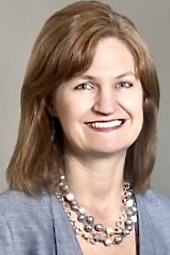 |
| Dr. Halle Moore |
"It is unheard of for chemotherapy trials in metastatic breast cancer to improve survival in patients by six months," the story quotes Dr. Halle Moore, director of breast cancer oncology at the Cleveland Clinic, as saying.
Dr. Susan Domchek, a breast cancer specialist at the University of Pennsylvania's Abramson Cancer Center, also is quoted to the effect that she plans to see — even before the Food and Drug Administration approves the drug, which has a wholesale price of about $14,000 every three weeks — if the data from the study will be sufficient to convince insurers to approve it.
More information about successful clinical trials can be found in "Rollercoaster: How a man can survive his partner's breast cancer," a VitalityPress book that I, Woody Weingarten, aimed at male caregivers.


